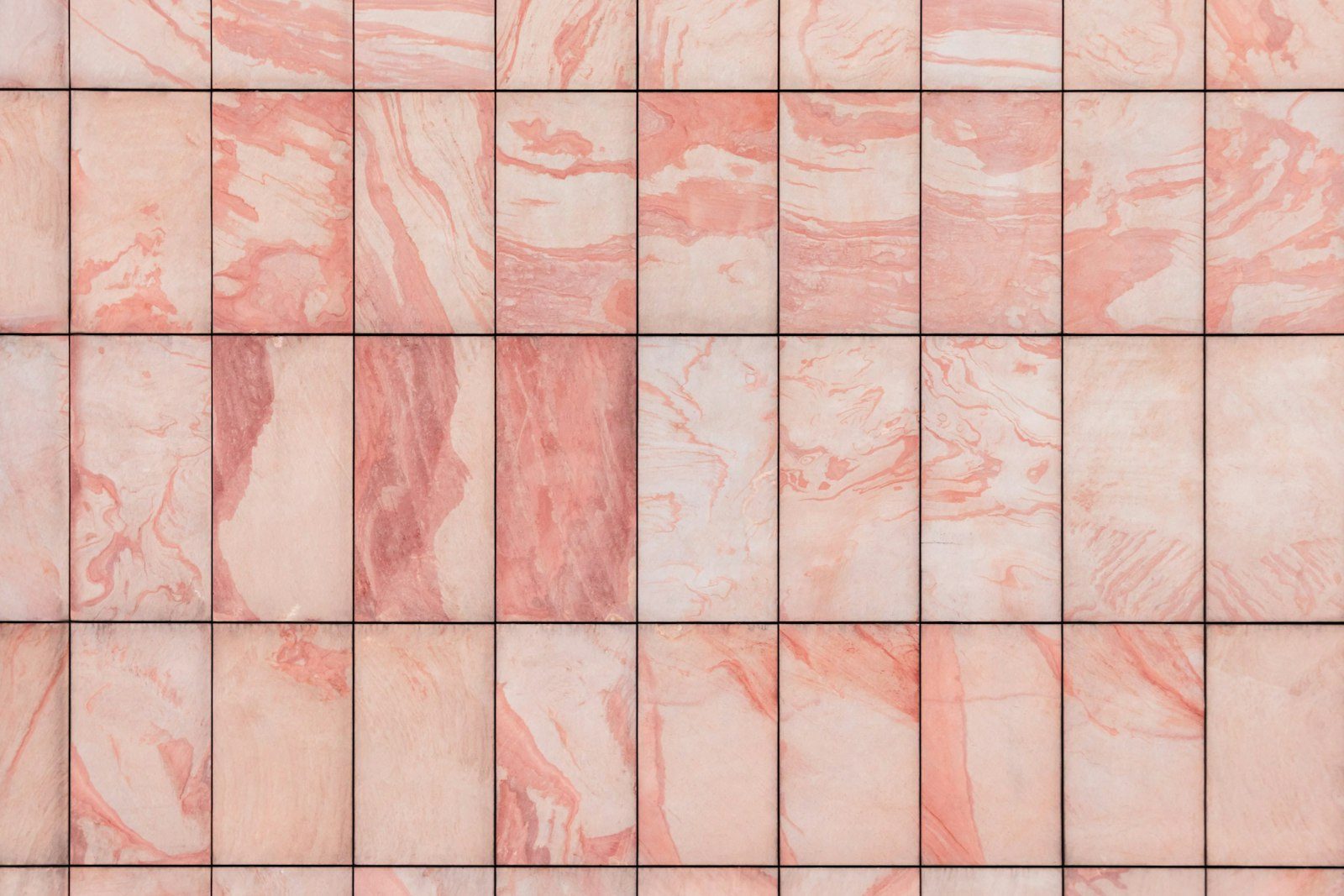
Tiling is where craftsmanship shows
Tiles are the surface you see and touch every day in a bathroom. They set the mood of the room, carry its colour and texture and protect the waterproofing beneath. They also reveal the quality of the work more clearly than anything else. Uneven grout lines, thin slivers of cut tile, lippage between tiles, crooked niches and floors that pool water are all visible reminders of a rushed job. Careful tiling, by contrast, makes a room look calm, considered and expensive, whatever tile is chosen.
We provide bathroom tiling as part of full renovations, ensuites, laundries and shower conversions throughout Warragul and the surrounding district. Tiling is always laid over waterproofing installed to AS 3740, by licensed and insured trades.
Planning the set-out
The most important tiling work happens before the first tile is laid. Set-out is the plan for where every tile will sit. Good set-out aims for:
- Balanced cuts at each end of a wall rather than a full tile at one end and a sliver at the other.
- Grout lines that align between the floor and the walls where possible.
- Niches, shelves and feature strips that line up with grout lines rather than cutting through tiles awkwardly.
- Tile edges at windows, doors and benches that look deliberate.
- A pattern that suits the room’s proportions.
We plan the set-out using the actual tile dimensions, considering the position of fixtures, the niche, the shower waste and the window. Where the room is out of square, as many older homes are, we decide where the correction will be least visible.
Choosing tiles
Porcelain
Porcelain tiles are dense, hard-wearing and absorb very little water, making them the most common choice for bathroom floors and walls. They come in an enormous range of sizes, colours and finishes, from concrete and stone looks to timber-look planks and glazed colours.
Ceramic
Ceramic wall tiles are lighter and easier to cut, and are widely used on bathroom walls. Many handmade-look and gloss subway tiles are ceramic.
Natural stone
Marble, travertine and limestone bring natural variation and warmth but require sealing and more careful maintenance. We discuss the care involved before you choose stone for a wet area.
Terrazzo
Terrazzo tiles, with chips of stone or glass in a cement or resin base, offer a distinctive look with good durability.
Mosaic
Small mosaic tiles suit shower floors where many small tiles can follow the fall easily, and work beautifully as features.
Tile size and the room
Larger tiles mean fewer grout lines, a cleaner look and less cleaning. However, large tiles are harder to fall to a waste, need very flat substrates and are heavier to handle. In a shower with a centre waste, a large floor tile may need to be cut into sections to follow the four-way fall. A linear grate allows a single fall and suits large formats.
Smaller tiles are easier to fall and offer more grip underfoot, which helps on shower floors. Many bathrooms combine a large tile on the walls with a smaller or textured tile in the shower floor.
Slip resistance
Floor tiles in wet areas should have a suitable slip resistance rating. Highly polished tiles can be dangerous when wet. We help you choose tiles that balance appearance, comfort underfoot, ease of cleaning and safety.
Adhesives and grout
Different tiles and substrates require different adhesives. Large porcelain tiles need adhesives suited to dense, low-absorption tiles, applied with full coverage to avoid hollow spots. Natural stone may need adhesives that will not stain. We use adhesives matched to the tile, substrate and location.
Grout fills the joints between tiles. Cement-based grouts are widely used and can be sealed, while epoxy grouts are highly stain resistant and suit showers and high-use areas. Grout colour affects the look dramatically. A grout close to the tile colour creates a seamless surface, while a contrasting grout highlights the pattern. Lighter grouts show dirt more readily in showers.
Movement joints and silicone
Buildings move, and tiled surfaces must be allowed to move too. Internal corners, wall-to-floor junctions, junctions with baths and shower bases and changes of substrate all need flexible joints filled with silicone rather than grout. Grout in these locations cracks and lets water through. We install movement joints correctly as part of every tiling job.
Laying patterns
- Stack bond: tiles aligned in straight rows and columns. Clean and contemporary.
- Brick bond or offset: each row offset, often by a third or half. Traditional and forgiving.
- Herringbone and chevron: angled patterns that add movement and character, especially in floors and feature walls.
- Vertical stack: rectangular tiles laid vertically to add height.
- Feature walls: a contrasting tile on one wall or in the shower to create focus.
Some patterns require more cutting and time, and we explain this when you are choosing.
Colour, texture and the Gippsland light
Warragul’s light is soft and often grey through the cooler months, and that changes how tiles look in a bathroom. A crisp white tile that sparkles in a showroom under bright downlights can feel cold on a winter morning in a south-facing room. Warmer whites, soft greiges, sandy stone tones and earthy terracottas tend to feel more welcoming in our climate. Texture matters as much as colour. A tile with a gentle undulation or a handmade edge catches light and shadow, adding depth even in a neutral palette. Matte finishes are calmer and hide water marks, while gloss finishes reflect light and suit smaller rooms. We encourage clients to take samples home and look at them in the actual bathroom at different times of day before deciding. It is a small step that avoids disappointment.
Shower niches done properly
A niche is one of the most requested details in a modern shower, and one of the easiest to get wrong. A well-built niche is framed into the wall at the right height, waterproofed as part of the shower membrane, tiled with a base that slopes slightly forward so water drains out and finished so its edges line up with the surrounding grout lines. A poorly built niche collects water, grows mould and looks awkward. We plan the niche position during set-out, often aligning it with a full tile course, and size it for the bottles you actually use. Where the wall is external or contains services, we choose another location or build a short nib to house it.
Tiling floors for comfort and warmth
Bathroom floors in older homes can be cold underfoot in winter. Electric underfloor heating, laid beneath the tiles in a thin adhesive bed, warms the floor gently and helps the room and grout dry faster. It has to be planned before tiling begins, with its own circuit and thermostat. Choosing a textured or slightly warmer-toned floor tile also makes the floor feel more comfortable. We include underfloor heating options in the scope when you ask for them.
Feature tiles without fatigue
Feature tiles add personality, but too many competing features make a room busy. We generally suggest one hero element, such as a patterned floor, a coloured shower wall or a textured vanity splashback, supported by calmer surfaces elsewhere. This keeps the room interesting while ensuring it will still feel right in years to come.
Lippage and flatness
Lippage is when the edge of one tile sits higher than the next. It catches the light, collects dirt and can be a trip hazard. Avoiding lippage requires flat substrates, good adhesive coverage and care in setting each tile. With larger tiles, levelling systems help keep tiles flush.
Tiling over older substrates
In older Warragul homes, we sometimes find walls that are out of plumb, floors that are out of level and old linings that are unsuitable for new tiles. Tiling over these surfaces can lead to cracked tiles and failed waterproofing. We assess the substrate and prepare or replace it as needed before tiling.
Finishing details
- Tile trims or mitred edges at external corners.
- Neatly cut tiles around taps, outlets and wastes.
- Niche interiors tiled with sloped bases so water drains.
- Skirting tiles that sit over the membrane upturn.
- Thresholds that manage the transition to adjoining floors.
Ordering the right quantity
Running short of tiles partway through a job causes delays, and a later batch may differ slightly in shade. We calculate quantities from the set-out, allow for cuts and breakage according to tile size and pattern, and recommend keeping a few spare tiles after the job so a damaged tile can be replaced with a perfect match in years to come.
Maintaining tiled surfaces
Once tiled, a bathroom needs simple care. Clean with pH-neutral products rather than harsh acids or bleach. Ventilate the room well to help grout dry. Reseal cement-based grout periodically if recommended. Check silicone joints every year or two and replace them when they crack or discolour.
Common questions
Can you tile over existing tiles?
In some dry areas it can be done, but we generally do not recommend it in wet areas, because the waterproofing beneath cannot be inspected or replaced.
How long does tiling take?
It depends on the room size, tile size and pattern. A typical bathroom takes several days to tile walls and floors, plus grouting and silicone.
Do I need to buy my own tiles?
You can choose your own tiles, and we are happy to provide guidance on suitable products and quantities.
Book a design consultation
If you are planning a new bathroom and want tiling done with care, book a design consultation. We will discuss your tile choices, plan the set-out and include everything in a clear written scope.
Areas we service
- Bathroom Renovations Brandy Creek
- Bathroom Renovations Buln Buln
- Bathroom Renovations Bunyip
- Bathroom Renovations Darnum
- Bathroom Renovations Drouin South
- Bathroom Renovations Drouin
- Bathroom Renovations Jindivick
- Bathroom Renovations Labertouche
- Bathroom Renovations Longwarry
- Bathroom Renovations Neerim South
- Bathroom Renovations Nilma
- Bathroom Renovations Trafalgar
- Bathroom Renovations Warragul
- Bathroom Renovations Yarragon
Book a design consultation
Share a few details and we will visit to measure, check what sits behind the tiles and map out the options for your home.
Book a design consultation