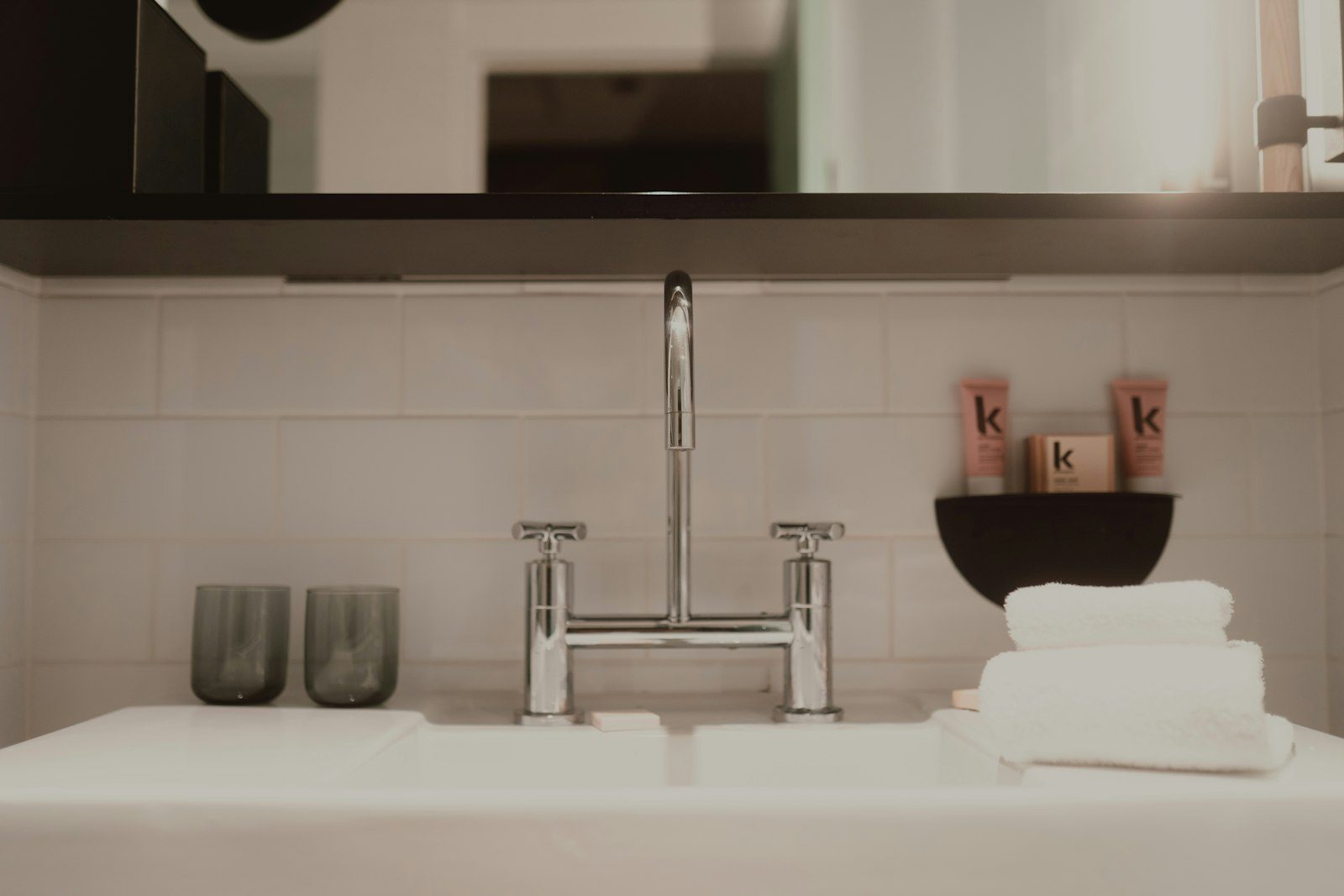
Bathrooms beyond the town water supply
Across the farms, hills and acreage around Warragul, many homes are not connected to town water or sewer. They rely on rainwater collected from the roof and stored in tanks, sometimes supplemented by a bore or dam, and they treat wastewater on site through a septic tank or an aerated treatment system. These systems work well, but they introduce considerations that town-connected homes do not face.
A bathroom renovation on a rural property should be planned with the water supply and wastewater system in mind. Choosing the wrong showerhead can leave you with a disappointing trickle, an oversized rainhead can drain tanks quickly in a dry summer, and a new bathroom can overload a septic system that was designed for a smaller household. This guide explains the key points so you can plan with confidence.
How tank water reaches your shower
Rainwater flows from the roof through gutters and downpipes into tanks. A pump draws water from the tank and pressurises the household supply. Some homes have a pressure tank or controller that switches the pump on when a tap opens. Others use gravity from a tank on higher ground, which typically provides low pressure.
Key characteristics of tank supply include:
- Pressure: set by the pump and controller, often lower than town mains and sometimes variable.
- Flow: limited by pump capacity, pipe sizes and how many outlets are running at once.
- Pump cycling: some pumps cut in and out as demand changes, which can cause pressure fluctuations in the shower.
- Water quality: generally soft, but may carry sediment or debris without proper filtration.
Choosing showerheads and tapware for tank pressure
Know your pressure and flow
Before selecting fixtures, it helps to know your system’s operating pressure and the flow it can deliver. A plumber can measure this. Many pump systems are set to pressures that suit standard fixtures, but older or smaller pumps may struggle.
Showerheads
Large rainheads look spectacular but may need higher flow and pressure to perform well. On a modest pump, they can feel weak. Smaller, well-designed showerheads that concentrate the spray often feel stronger at lower flow. Many manufacturers publish minimum operating pressures, so check these against your system.
Mixers and thermostatic valves
Some mixers, particularly thermostatic and pressure-balancing types, need balanced hot and cold pressures to work correctly. If hot water comes from a system with different pressure from the cold supply, temperature control can suffer. Your plumber can advise on mixers suited to your system.
Flow restrictors
Water-efficient fixtures often include flow restrictors. On a low-pressure system, these can reduce flow too much. Some fixtures are designed for low pressure and perform better in these conditions.
Hot water on rural properties
Rural homes may use electric storage, heat pump, solar or wood-fired systems, among others. Hot water performance in a new shower depends on:
- The capacity of the hot water system relative to household demand.
- The distance from the hot water unit to the bathroom, which affects how long it takes for hot water to arrive.
- Pressure balance between hot and cold supplies.
- Pipe insulation, particularly through cold subfloors.
If your renovation includes a larger shower, a bath or an additional bathroom, it is worth checking that the hot water system can keep up. Where the bathroom is far from the hot water unit, insulating pipes or reconsidering the layout can reduce waiting time and wasted water.
Water efficiency without sacrificing comfort
Tank water is precious, particularly during dry summers. Water-efficient choices make your supply go further:
- Showerheads with good spray design at moderate flow.
- Dual-flush toilets with efficient flush volumes.
- Basin mixers with aerators.
- Shorter hot water pipe runs to reduce water wasted waiting for heat.
- Avoiding very large baths if water security is a concern.
The Water Efficiency Labelling and Standards scheme rates many fixtures, which helps compare options. Balance efficiency with performance; a showerhead that is too restrictive on a tank system may lead to longer showers that waste more water overall.
Filtration and water quality
Rainwater can carry leaves, dust and sediment from roofs and gutters. Filters at the pump help protect tapware cartridges, mixers and shower valves from debris that can cause drips and failures. If your property uses bore water, it may be hard or contain iron or other minerals that stain fixtures and tiles. Treatment or filtration may be worthwhile, and finishes can be chosen to hide or resist staining.
On-site wastewater systems
How they work
Septic tanks separate solids from liquids and allow some breakdown, with the liquid effluent dispersed into absorption trenches or beds. Aerated wastewater treatment systems treat effluent to a higher standard, often for surface irrigation. Each system is designed for a certain daily wastewater volume, typically based on the number of bedrooms or people in the home.
Why a renovation can affect them
A bathroom renovation itself usually does not change wastewater volume much. However, adding a bathroom or ensuite, installing a large bath or significantly increasing household size can push the system beyond its design capacity. Overloaded systems may fail, causing odours, surface pooling of effluent or health risks.
Approvals
In Victoria, on-site wastewater systems are regulated by local councils under EPA guidelines. Altering a system or adding fixtures that increase load may require a permit. Your renovator or plumber can advise whether this applies, and council can confirm requirements.
Products to use with care
Some cleaning products, such as strong bleaches and antibacterial cleaners, can affect the bacteria that break down waste. Products labelled as septic-safe are preferable. Avoid flushing wipes, sanitary products or large amounts of grease.
Plumbing logistics on rural properties
- Falls to the system: waste pipes must fall to the septic tank. Moving a bathroom or adding a new one must maintain adequate falls, which may be challenging on flat or uphill sites.
- Pipe runs: long runs through subfloors may need insulation against frost.
- Pump location: pumps should be accessible for maintenance and protected from weather.
- Water during construction: plan how water will be used during demolition and tiling so tanks are not drained unexpectedly.
Drought and dry summers
Gippsland can experience dry summers, and tank levels can fall quickly. A water-efficient bathroom is a sensible long-term choice. If water security is a concern, consider additional tank storage, a first-flush diverter to improve water quality and reviewing household use.
Toilets on tank water
Toilets account for a large share of household water use. Efficient dual-flush toilets help conserve tank water, and many cisterns can be supplied from a separate rainwater line in homes with mixed supplies. Wall-hung toilets with concealed cisterns work well on tank systems, provided the inlet valve suits the household pressure. Make sure the cistern’s access panel stays accessible so the valve can be serviced if sediment affects it.
Laundries on rural properties
Washing machines are another major water user. Front-loading machines generally use less water than top loaders, which helps during dry spells. Laundry wastewater also goes to the on-site system, so septic-safe detergents and a lint filter on the outlet help protect it. Some households divert greywater for garden use, which requires appropriate approvals and systems.
Keeping records
Keep a simple record of your water system: pump model, filter types and replacement dates, tank sizes, hot water system details and the septic or treatment system’s service history. This information helps your plumber and renovator make the right recommendations quickly, and it is valuable when selling the property, as buyers of rural homes often ask about water security and wastewater compliance.
Questions to ask before you renovate
1. What pressure and flow does my system deliver?
2. Will my preferred showerhead perform on that supply?
3. Is my hot water system large enough for the new bathroom?
4. Are my filters adequate to protect new tapware?
5. Does my renovation change wastewater load?
6. Will any changes need council approval?
7. How will water use be managed during construction?
Pump troubleshooting before you renovate
If your existing shower already feels weak or inconsistent, it is worth understanding why before choosing new fixtures. Common causes include:
- Clogged filters: a blocked sediment filter at the pump restricts flow throughout the house.
- Worn pump: older pumps lose performance over time.
- Pressure switch settings: the cut-in and cut-out pressures may be set low.
- Undersized pipes: small or long pipe runs reduce flow at the shower.
- Blocked aerators and showerheads: sediment and scale build up in outlets.
- Partially closed valves: isolation valves may not be fully open.
A licensed plumber can identify which of these apply. Fixing the supply before installing a new shower ensures the new fixtures perform as they should.
Constant pressure pumps
Some modern pumps use variable speed control to maintain steady pressure regardless of how many taps are running. These can make showers far more pleasant on tank water, reducing temperature swings and pressure drops when someone flushes a toilet or turns on a tap elsewhere. If you are planning a significant renovation or adding a bathroom, it may be worth asking whether your pump suits the new demand.
Frost and cold pipes
In the hills around Neerim South, Jindivick and Brandy Creek, frosts can be severe. Exposed pipes at pumps and tanks, or pipes running through ventilated subfloors, can freeze or lose heat. Insulating pipes and protecting pumps helps maintain hot water temperature and reduces the risk of damage.
Guest and holiday use
Homes that host extra guests over holidays, or short-stay accommodation on rural properties, may see demand spike well beyond normal levels. Plan the shower, hot water and wastewater systems with peak loads in mind, not just everyday use.
Rainwater and fixture longevity
Soft rainwater is generally gentle on fixtures, but it can be slightly acidic in some situations. Combined with any copper pipework, this occasionally causes blue-green staining. A plumber can advise on testing and treatment options if staining appears on your fixtures.
How we plan for rural water
During our design consultation on rural properties, we look at the pump, tanks, hot water system and wastewater system. We recommend fixtures that will perform on your supply and consider the impact of any changes on your wastewater system. Licensed plumbers carry out all plumbing work and can advise on pump or filtration upgrades if needed.
Talk to us about your tank setup
Bring details of your tank size, pump model and any filtration to the consultation. Knowing these lets us recommend tapware and shower heads that suit your supply.
If your pump cycles on and off while the shower runs, or pressure drops when another tap is opened, note it before we visit. These clues help us decide whether a pressure tank, a different shower head or a review of pipe sizing would improve comfort in the new bathroom.
Book a design consultation
If you live on a rural property around Warragul and are planning a bathroom renovation, book a design consultation. We will assess your water and wastewater systems and recommend fixtures and layouts that work for your home.
Our bathroom services
- Accessible Bathrooms
- Full Bathroom Renovations
- Bathroom Resealing and Silicone Replacement
- Bathroom Tiling
- Ensuite Renovations
- Laundry Renovations
- Bath to Shower Conversions
- Shower Screens
- Small Bathroom Renovations
- Tile and Grout Cleaning
- Vanity Replacement
- Bathroom Waterproofing
Book a design consultation
Share a few details and we will visit to measure, check what sits behind the tiles and map out the options for your home.
Book a design consultation