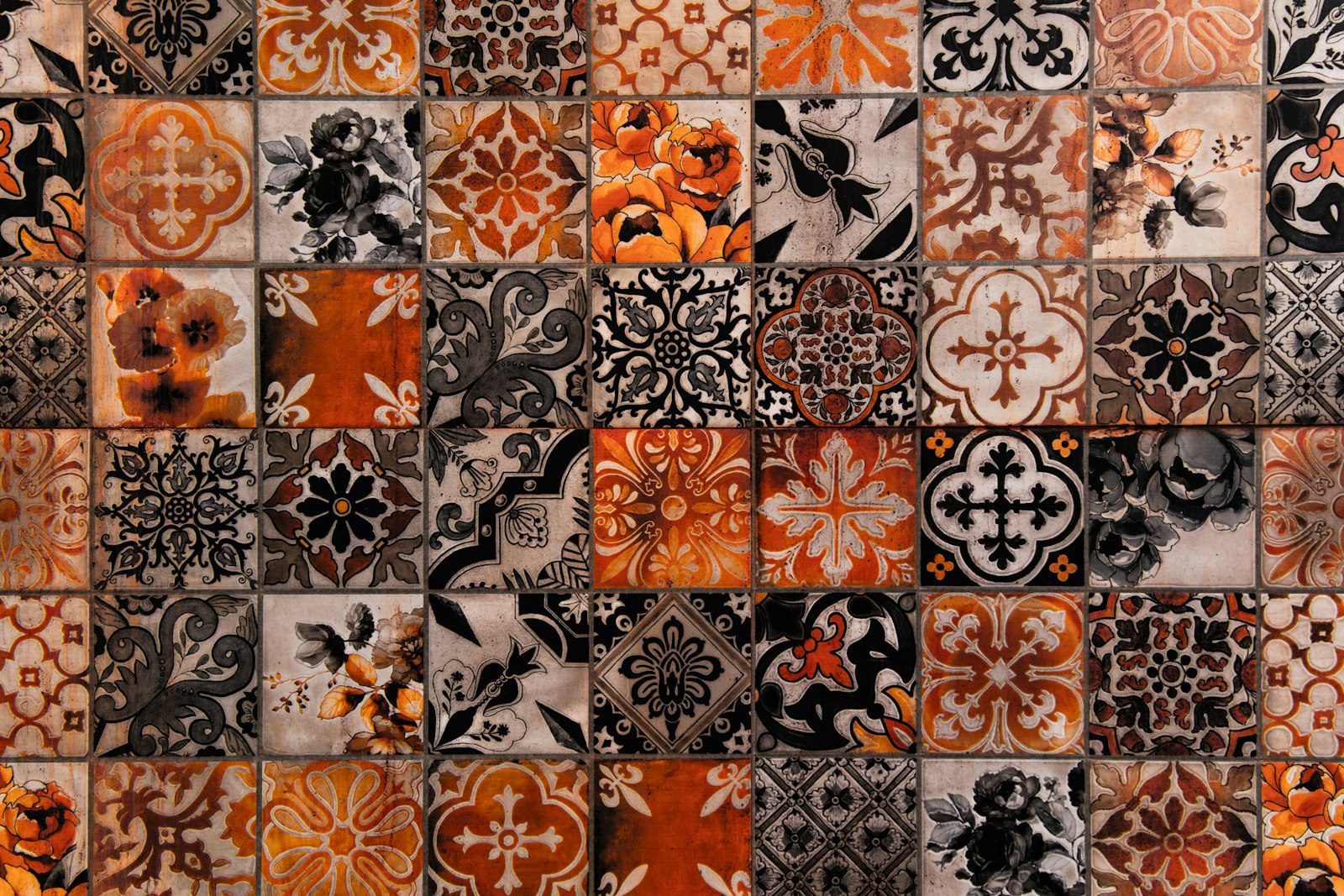
Tiles shape how a bathroom looks and lives
Tiles cover most of the surfaces in a bathroom, so they have more influence on its appearance than almost any other choice. They also affect safety, cleaning, durability and even how warm the room feels on a winter morning. With thousands of options in showrooms, choosing can be overwhelming. This guide narrows the decision by focusing on what matters in West Gippsland homes: cool, damp winters, soft grey light, timber floors on stumps, tank water, muddy boots and busy family households.
Porcelain or ceramic?
Most bathroom tiles are either porcelain or ceramic. Both are made from fired clay, but porcelain uses finer clay and is fired at higher temperatures, creating a denser tile that absorbs very little water.
Porcelain
- Very low water absorption, making it well suited to floors and showers.
- Hard and resistant to wear, chipping and scratching.
- Available in a wide range of finishes, including stone, timber and concrete looks.
- Through-body or full-body porcelain carries colour through the tile, so chips are less visible.
- Heavier and harder to cut, requiring skilled installation.
Ceramic
- Lighter and easier to cut, making it common for walls.
- Often available in glossy glazes and vivid colours.
- Higher water absorption than porcelain, so less suited to wet floors.
- Generally softer and more prone to chipping.
For bathroom floors and shower areas in a busy Gippsland household, porcelain is usually the more durable choice. Ceramic can work well on walls outside the shower, particularly for decorative glazed tiles.
Slip resistance
Wet bathroom floors are a leading cause of falls at home. Floor tiles in Australia are commonly tested for slip resistance and given ratings that indicate how they perform when wet. For bathroom floors, and especially showers, choose tiles rated for wet barefoot areas. Textured, matte or honed finishes generally provide better grip than polished surfaces. Smaller tiles on shower floors add more grout lines, which also improves grip and helps the floor follow the falls to the waste.
For households with older people, young children or anyone with mobility concerns, slip resistance should be one of the first criteria. Ask your tile supplier for the slip rating of any floor tile you are considering, and check that it is suitable for wet areas.
Size and format
Large-format tiles
Tiles of 600 by 600 millimetres, 600 by 1200 millimetres and larger have become popular. Fewer grout lines make a room feel larger and simplify cleaning. However, large tiles require very flat substrates, are heavier to handle and can be harder to fall correctly on shower floors. They also need careful planning around the room’s dimensions to avoid awkward cuts.
Medium formats
Tiles around 300 by 600 millimetres are versatile, suiting walls and floors and offering a balance between grout lines and ease of installation.
Small formats and mosaics
Small square tiles, hexagons, penny rounds and mosaics add texture and pattern. On shower floors, they follow falls easily and improve grip. They take longer to install and involve more grout, which needs good maintenance.
Elongated and handmade-look tiles
Subway, finger and kit-kat tiles, as well as handmade-look tiles with irregular edges and glazes, bring character to walls. They suit both period homes and contemporary designs.
Colour in Gippsland light
Gippsland’s winter light is often soft, grey and low. Colours that look warm and bright in a sunny showroom can look flat or cold in a south-facing bathroom on a foggy morning. Consider:
- Warm whites and creams rather than stark, blue-toned whites, to keep the room feeling inviting.
- Earthy tones such as terracotta, sand, ochre and olive, which echo the landscape and feel warm in low light.
- Greens from sage to deep forest, which connect with the surrounding paddocks and bush.
- Mid-tone greys and stone colours that hide everyday marks while avoiding a cold feel.
- Dark tiles used as a feature, balanced with good artificial lighting.
Always view samples in your own bathroom, at different times of day and under the room’s lighting before committing.
Practicality for farms and families
Many households around Warragul live on farms, acreage or busy family blocks. Mud, grit and frequent use are part of life. Practical tile choices include:
- Mid-tone floor tiles with some variation, which hide dirt between cleans.
- Matte or textured finishes that do not show water spots.
- Porcelain floors that resist scratching from grit.
- Darker or tinted grout on floors to avoid visible staining.
- Robust tiles in laundries and mudrooms that can be scrubbed hard.
Timber floors and tiles
Tiling over a timber floor in a home on stumps requires extra care. Timber floors move with seasonal changes in moisture and temperature, and any flex in the floor can crack tiles and grout. Before tiling, the floor structure must be stiff enough, and a suitable substrate such as compressed fibre cement sheet must be installed. Large-format tiles are more sensitive to movement and flatness, so they need particularly careful preparation on timber floors. Movement joints, flexible adhesives and appropriate grouts help the tiled surface tolerate small movements.
Grout colour and type
Grout makes up a surprising proportion of a tiled surface, especially with small tiles. Its colour and type affect both appearance and maintenance.
Colour
Matching grout to the tile creates a seamless look that makes a room feel larger. Contrasting grout highlights the tile shape and pattern. On floors, mid-tones hide staining better than white.
Type
- Cement-based grout: the standard, widely used option. It is porous and may benefit from sealing.
- Improved or polymer-modified grout: more flexible and less porous.
- Epoxy grout: highly stain and water resistant, ideal for showers and laundries, but more demanding to install.
Feature tiles and focal points
A feature tile can bring personality without overwhelming the room. Common approaches include:
- A patterned floor with plain walls.
- A feature wall behind the vanity or bath.
- A contrasting tile in the shower niche.
- A strip of decorative tile at a set height.
- Different laying patterns, such as herringbone or vertical stacking, using the same tile.
Limiting features to one or two areas usually creates a more cohesive result.
Matching tiles to your home’s era
Period homes
Weatherboard and Federation-era homes in Warragul, Yarragon and Trafalgar suit subway tiles, hexagonal or encaustic-look floors, glazed handmade-look tiles and classic colours such as white, green and black.
Mid-century homes
Postwar and 1960s homes suit geometric tiles, terrazzo-look porcelain, finger tiles and warm colours such as mustard, terracotta and teal, used thoughtfully.
1980s and 1990s homes
These homes often benefit from a contemporary update with large-format porcelain, stone looks and a restrained palette, while warm timber-look vanities bring softness.
New homes and estates
Newer homes in Drouin, Warragul and surrounding estates often suit a clean, contemporary palette with a feature tile or texture for interest.
Rural and hill homes
Farmhouses and hill retreats suit natural, earthy materials, terracotta, stone-look tiles and greens that connect with the landscape.
Wall tile heights
Not every wall needs to be tiled floor to ceiling. Options include:
- Full height tiling in the shower and partial height elsewhere.
- Full height throughout for a seamless, easy-clean finish.
- Tiling to a set height with painted walls above.
AS 3740 sets minimum requirements for wall protection in wet zones, and your renovator will ensure these are met. Above that, the choice is about style, cleaning and how the room is used.
Underfloor heating and tiles
Underfloor heating works well beneath porcelain and ceramic tiles, which conduct heat effectively. In Gippsland winters, warm floors make a bathroom more comfortable and help surfaces dry. If you plan underfloor heating, choose tiles suitable for it and confirm with your renovator how it will be installed relative to the membrane.
Tiles and tank water
Many properties around Warragul use rainwater tanks or bores. Rainwater is generally soft and kind to tiles, but bore water can be hard or carry iron and other minerals. Hard water leaves white scale on glass, tapware and glossy tiles, while iron can cause orange staining on grout and light-coloured surfaces. If your home uses bore water, consider:
- Matte or textured tiles, which show scale less than high gloss.
- Mid-tone or darker grout, which hides mineral staining.
- Epoxy grout in the shower, which resists absorbing stains.
- Filtration on the supply where staining is significant.
- Regular cleaning with suitable, non-acidic products recommended for your tiles.
Cleaning and maintenance by tile type
Different tiles need different care:
- Glazed ceramic and porcelain: wipe with a pH-neutral cleaner; avoid abrasive pads that can dull the glaze.
- Unglazed or honed porcelain: may benefit from a penetrating sealer and gentle cleaning to avoid staining.
- Natural stone: usually needs sealing and specific stone cleaners; avoid acidic products that etch the surface.
- Handmade or crackle-glaze tiles: may need sealing because glaze crazing can absorb dirt.
Choosing tiles with your cleaning habits in mind avoids frustration later. If you prefer a quick wipe-down routine, glazed porcelain with matching grout is hard to beat.
Sustainability considerations
If sustainability matters to you, ask about tiles made with recycled content, locally manufactured products that reduce transport and durable finishes that will not need replacing for decades. The longest-lasting bathroom is often the most sustainable.
Questions to ask at the tile shop
1. Is this tile porcelain or ceramic?
2. What is its slip rating, and is it suitable for wet barefoot areas?
3. Is it rectified, with precise edges for narrow grout lines?
4. What batch is it from, and is there enough for the whole job plus spares?
5. What grout do you recommend?
6. Does it need sealing?
7. What is the lead time?
Laundries and mudrooms
Laundry floors take a beating from muddy boots, wet dogs and dropped baskets. Choose a textured porcelain floor tile with a good wet slip rating and a mid-tone grout, and consider tiling the splashback above the trough to full height for easy cleaning.
Order spares
Always order extra tiles beyond the measured area to allow for cuts, breakages and future repairs. Tiles are produced in batches with slight colour variations, and a tile range may be discontinued. Keeping a box of spares makes future repairs much easier.
Ordering enough tiles
Order extra tiles beyond the measured area to allow for cuts, breakages and future repairs. Keep a box from the same batch in the garage, as shades vary between production runs and matching later can be difficult.
Bring home samples before committing. Look at them in the actual bathroom at different times of day, under both daylight and the artificial lighting you plan to install. Wet a floor sample and step on it in bare feet to judge grip. A colour that looks warm in a showroom can turn grey in a south-facing room, and seeing it in place avoids disappointment once a whole wall is laid.
Book a design consultation
If you are planning a bathroom renovation in Warragul or the surrounding district, book a design consultation. We will help you choose tiles that suit your home, your household and the Gippsland climate, and include them clearly in your written scope.
Our bathroom services
- Accessible Bathrooms
- Full Bathroom Renovations
- Bathroom Resealing and Silicone Replacement
- Bathroom Tiling
- Ensuite Renovations
- Laundry Renovations
- Bath to Shower Conversions
- Shower Screens
- Small Bathroom Renovations
- Tile and Grout Cleaning
- Vanity Replacement
- Bathroom Waterproofing
Book a design consultation
Share a few details and we will visit to measure, check what sits behind the tiles and map out the options for your home.
Book a design consultation