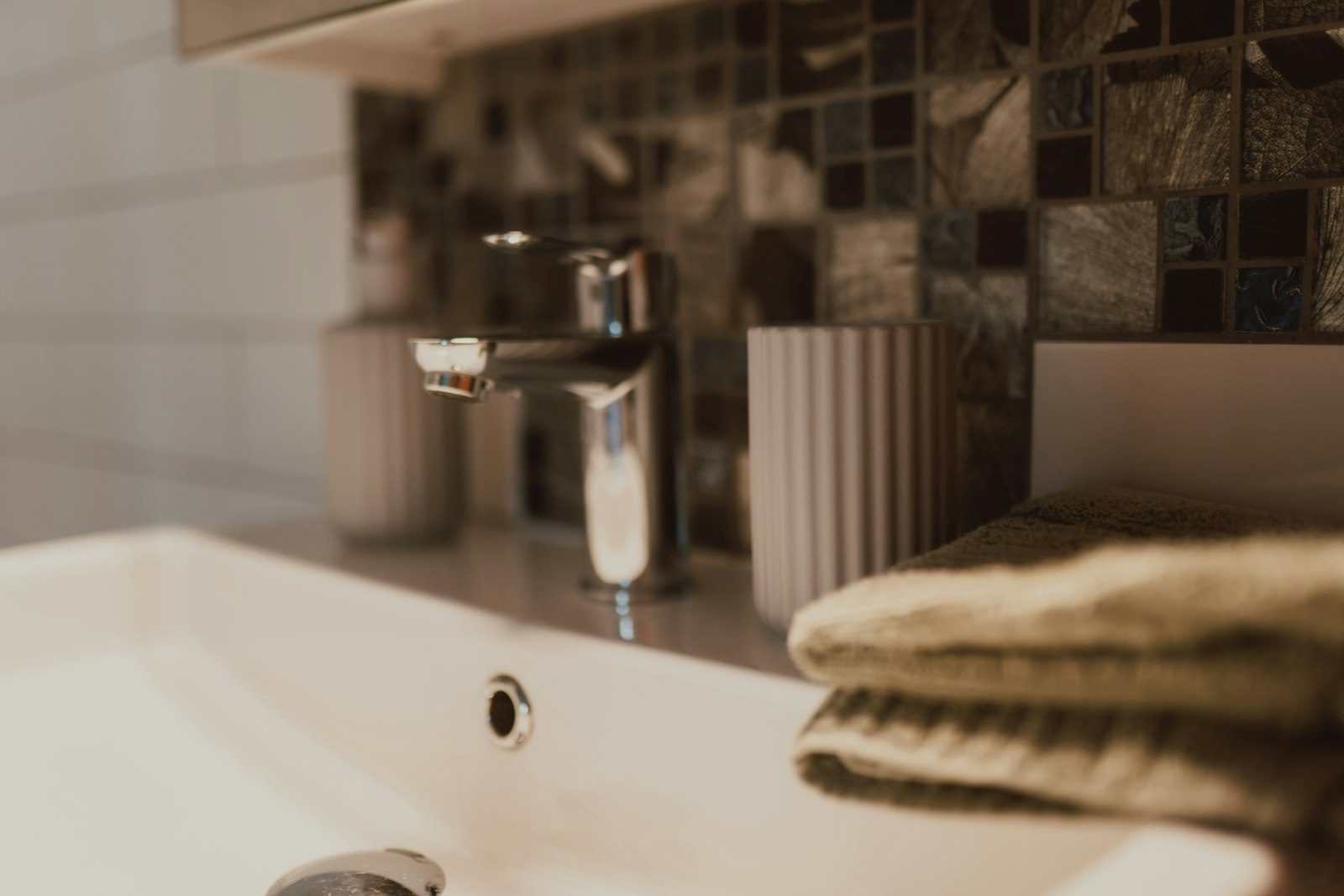
Bring tired tiles and grout back to life
Often a bathroom that looks worn out does not need to be replaced at all. The tiles may be in good condition, but years of soap scum, body oils, hard water minerals and mould have darkened the grout and dulled the surface. Grout that was once light grey turns brown or black. Corners grow mould. Tiles lose their shine. Everyday cleaning no longer makes a difference.
Professional tile and grout cleaning, combined with regrouting and sealing where needed, can restore the look of a bathroom at a fraction of the disruption of a renovation. We provide tile and grout services across Warragul and the surrounding district, carried out by licensed and insured trades who understand how tiled wet areas are built.
Why grout gets dirty
Grout is porous. It is made from cement, sand and additives, and its surface contains tiny pores that absorb water, soap and dirt. In a shower, grout is wet several times a day. Each time, it absorbs a little more residue. In Warragul’s cool, damp climate, bathrooms often take a long time to dry, and mould spores settle into the grout and grow. Hard water and tank water with high mineral content can leave scale on tiles and grout too.
Over time, staining moves deeper than surface cleaning can reach. That is when professional cleaning makes a visible difference.
Our tile and grout services
Deep cleaning
We use cleaning products matched to your tile type and the soiling present, together with brushes and equipment that reach into grout lines without damaging tiles. Soap scum, body oils, mineral deposits and surface mould are lifted, and the area is rinsed thoroughly. Natural stone receives stone-safe products, because acidic cleaners can etch marble, travertine and limestone.
Mould treatment
Mould on the surface of grout and silicone is treated and removed. Where mould has grown deep into silicone, the silicone is replaced, because it cannot be cleaned effectively. We also look at ventilation, because without better airflow mould is likely to return.
Regrouting
Where grout is cracked, crumbling, missing or permanently stained, cleaning alone is not enough. Regrouting involves removing the top layer of old grout from the joints and replacing it with new grout. This restores the surface, closes gaps that let water in and gives the bathroom a fresh look. New grout can be in the same colour or a different one to update the look.
Grout sealing
Once grout is clean or new, a penetrating sealer can be applied to reduce how much water and dirt it absorbs. Sealed grout stays cleaner for longer and is easier to maintain. Sealers need to be reapplied periodically, depending on the product and how much use the shower gets.
Colour sealing
Colour sealing applies a coloured coating to grout, providing a uniform appearance and a protective surface. It can be a good option where grout is stained unevenly but structurally sound.
Silicone replacement
Because silicone and grout usually age together, we often combine grout work with removing and replacing silicone at all movement joints. Our resealing page explains this service in more detail.
When grout work is the right choice
Tile and grout services are well suited to bathrooms where:
- The tiles themselves are sound, firmly fixed and in a style you are happy with.
- The grout is dirty, stained, mouldy or cracked, but the shower is not leaking through the membrane.
- You want to refresh a bathroom before selling or leasing a home.
- You want to extend the life of a bathroom for a few more years before a full renovation.
- A rental bathroom needs to be brought back to a good standard between tenancies.
When it may not be enough
Grout work improves the surface, but it cannot fix a failed membrane or damaged structure beneath. If tiles are loose or drummy, if the floor is soft, if skirting boards are swollen or if water appears in neighbouring rooms, the problem may lie below the tiles. In these cases we explain what we find and whether a more substantial repair or renovation is the better option. We would rather give you an honest assessment than clean a bathroom that will continue to deteriorate.
Cement grout and epoxy grout compared
When regrouting, there is a choice of grout type, and it is worth understanding the difference. Cement-based grout is the traditional option. It is easy to work, available in many colours and suits most walls and floors. Its weakness is porosity: unless sealed and resealed, it absorbs water and stains over time. Epoxy grout is made from resins and hardeners rather than cement. It is far less porous, highly resistant to stains and mould and does not need sealing. It is harder to install, needs careful clean-up while it cures and its colour range is narrower in some brands. In a heavily used shower, or a household where cleaning time is precious, epoxy can be worth considering. On walls outside the shower, a good cement grout that is properly sealed usually performs well. We explain the trade-offs and recommend what suits your bathroom and routine.
Why some grout cracks
Cracked grout is more than a cosmetic issue, because every crack is a path for water. Grout cracks for several reasons. It may have been mixed with too much water, making it weak and powdery. It may have been placed in a joint that should have been silicone, such as an internal corner, where building movement splits it. The tiles beneath may be loose or poorly bedded, flexing under foot traffic. In timber-floored homes, a floor that moves too much can crack grout repeatedly. When we regrout, we look for the reason behind the cracking. If tiles are loose, they need to be lifted and rebedded. If a corner should be a movement joint, we replace the grout with silicone. If the floor is moving, we discuss whether the structure needs attention. Fixing the cause is the only way to make new grout last.
Shower floors deserve special attention
The shower floor is where grout works hardest. Water sits on it, feet press on it and soap and hair collect at the waste. Shower floor grout often stains first and cracks first. Mosaic and small-format floor tiles, which have many grout lines, can look transformed after regrouting. Where water does not drain well and ponds in parts of the shower floor, grout stays wet and deteriorates quickly. This is often a sign of incorrect falls, which cleaning cannot fix. We will tell you if we see this, and explain whether a partial floor rebuild or a broader renovation would solve the problem properly.
Pet areas, laundries and entries
Tile and grout cleaning is not limited to bathrooms. Laundry floors, mudrooms, dog-wash areas and tiled entries in country homes collect mud, grit and staining. The same methods restore these surfaces and the same sealers help them resist dirt. We can include these areas in the same visit as your bathroom.
Types of tiles we work with
Porcelain and ceramic
The most common bathroom tiles. They respond well to deep cleaning, and their grout lines can be cleaned, regrouted and sealed effectively.
Natural stone
Marble, travertine, limestone and slate require gentle, pH-neutral products and care to avoid etching or scratching. Stone surfaces may also benefit from resealing after cleaning.
Mosaic tiles
Mosaics have many more grout lines than larger tiles, so grout condition has a large effect on their appearance. Careful cleaning and regrouting can transform a mosaic shower floor.
Older tiles
Many older Warragul homes have original tiles from the 1950s to the 1980s. Where these are in good condition and have character, cleaning and regrouting can preserve them while improving hygiene and appearance.
The process step by step
1. Assessment: we inspect the tiles, grout and silicone, check for loose tiles and signs of water damage, and confirm the best approach.
2. Protection: fixtures, vanities and adjoining floors are protected.
3. Cleaning: tiles and grout are cleaned with suitable products and equipment.
4. Grout removal and regrouting: where needed, damaged grout is removed and replaced.
5. Silicone replacement: old silicone is removed and new sanitary-grade silicone applied at movement joints.
6. Sealing: grout is sealed once it has cured, where suitable.
7. Final rinse and inspection: we check the result with you and explain how to care for it.
Products we avoid
Some popular cleaning products do more harm than good in a bathroom. Strong bleach can lighten grout unevenly and break down silicone. Acid-based descalers can etch natural stone, dull some glazes and eat into cement grout. Abrasive pads and scourers scratch polished tiles, glass and chrome. Steam used carelessly can loosen weak grout and damage sealers. We use targeted methods suited to each surface, and we are happy to recommend gentle everyday products that keep your bathroom clean between professional visits without wearing it out.
A realistic view of results
Cleaning can achieve a great deal, but it is worth being realistic. Grout that has absorbed decades of staining may lighten considerably without returning to its original colour, and tiles with worn glaze will not regain their factory shine. Where that is the case, we say so before starting and suggest regrouting or colour sealing for a more uniform finish. Our aim is a result you are genuinely happy with, not a promise the surface cannot keep.
How long it takes
A typical shower clean and reseal can be completed in a day. Regrouting larger areas may take longer, and newly grouted areas need curing time before sealing and before the shower is used. We explain the timing before starting.
Caring for clean grout
- Ventilate the bathroom during and after showers, using the exhaust fan and opening a window if possible.
- Squeegee walls and screens after showering to reduce water on the grout.
- Use pH-neutral cleaners. Bleach and strong acids can damage grout, silicone and some tiles.
- Use a soft brush on grout lines regularly rather than scrubbing aggressively occasionally.
- Reseal grout as recommended by the sealer manufacturer.
- Replace silicone as soon as it shows signs of failure.
Tank water and mineral deposits
Many properties around Warragul rely on tank water or a mix of tank and town water. Depending on the source and how it is stored, water can leave mineral deposits or staining on tiles, screens and tapware. We choose cleaning methods that remove these deposits without damaging finishes, and can advise on simple habits to reduce build-up.
Before you sell or lease
Clean, bright grout makes a bathroom look well cared for, and that matters when a home is being photographed or inspected. Tile and grout work is one of the most effective ways to improve a bathroom’s presentation without a renovation. For landlords, it helps meet minimum standards for rental properties and reduces mould complaints.
Common questions
Can you make my grout look new again?
Often yes, through cleaning, regrouting or colour sealing. If grout is deeply stained, regrouting usually gives the best result.
Will cleaning damage my tiles?
We choose products and methods to suit your tiles, including gentle methods for natural stone and older glazes.
How often should grout be sealed?
It depends on the sealer and how much the shower is used. Many showers benefit from resealing every one to two years.
Can I change my grout colour?
Yes. Regrouting allows a new colour, and colour sealing can change the appearance of existing grout.
Do you treat mould?
Yes. Surface mould is removed, mouldy silicone is replaced and we discuss ventilation to help prevent regrowth.
Book a consultation
If your tiles and grout look tired, book a consultation. We will assess the condition of your bathroom and recommend the right mix of cleaning, regrouting, sealing and resealing.
Areas we service
- Bathroom Renovations Brandy Creek
- Bathroom Renovations Buln Buln
- Bathroom Renovations Bunyip
- Bathroom Renovations Darnum
- Bathroom Renovations Drouin South
- Bathroom Renovations Drouin
- Bathroom Renovations Jindivick
- Bathroom Renovations Labertouche
- Bathroom Renovations Longwarry
- Bathroom Renovations Neerim South
- Bathroom Renovations Nilma
- Bathroom Renovations Trafalgar
- Bathroom Renovations Warragul
- Bathroom Renovations Yarragon
Book a design consultation
Share a few details and we will visit to measure, check what sits behind the tiles and map out the options for your home.
Book a design consultation